In This Article
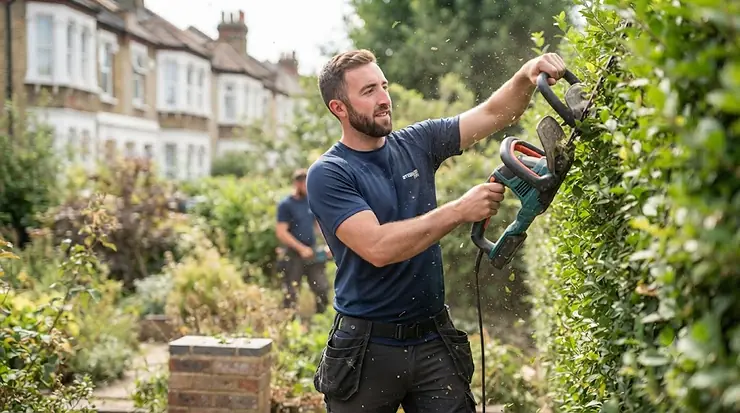
There’s a moment, usually around 2pm on a site with no shade and a hard hat that’s been baking since 9am, when every tradesman has the same thought: why am I wearing a shirt designed for an office in 1987? A cooling work shirt is, in plain terms, a garment built from moisture-wicking or evaporative fabric specifically engineered to pull sweat away from the skin and release it through the weave faster than cotton ever could, keeping body temperature down during physically demanding work in the heat. It’s not a gimmick. It’s the difference between finishing a roofing job functional and finishing it soaked through, chafed and genuinely a bit miserable.

UK summers have a particular cruelty to them: they’re rarely hot in the dramatic, dry-heat sense, but they’re frequently humid, which is exactly the condition that makes traditional heavyweight cotton workwear feel like wearing a damp towel by lunchtime. Electricians on a loft job, groundworkers in direct sun, scaffolders thirty feet up with no breeze — these are the people for whom the right fabric isn’t a comfort upgrade, it’s a genuine productivity and safety issue. The Health and Safety Executive is explicit that protective clothing and PPE can themselves contribute to heat-related illness on site, which makes the base layer underneath matter more than most tradesmen realise.
This guide pulls together genuine specifications, real UK review sentiment and honest comparative analysis across seven actual cooling work shirts available on Amazon.co.uk — from budget hi-vis tees to premium 37.5-technology polos — plus the buying knowledge that retail listings rarely explain properly: which fabric actually wicks, which hold up to a full season of site abuse, and which ones are worth the extra spend. No invented testing claims, just real specs and honestly framed analysis.
Affiliate disclosure: this article contains affiliate links. As an Amazon Associate, we earn from qualifying purchases.
Quick Comparison Table
For anyone who wants the headline verdict before reading on, here’s how our seven picks stack up on fabric weight, finish and the trade or scenario each one genuinely suits best.
| Cooling Work Shirt | Fabric Weight | Key Feature | Best For |
|---|---|---|---|
| Portwest B210 Crew Tech Polo | 180gsm polycotton | UPF 40+, button placket | All-round site wear |
| Regatta Professional Coolweave Polo | 130gsm polyester | Side vents, quick dry | Hot, humid days |
| Beeswift Cool Lightweight Polo | 150gsm polyester | Wicking treatment, anti-perspiring | Budget multi-pack rotation |
| TuffStuff Elite T-Shirt | 170gsm | Lightweight, breathable | Budget single-layer summer wear |
| Snickers 2711 AVS Polo | Lightweight knit | Stretch panels, odor control | Active, movement-heavy trades |
| Snickers 2724 AllroundWork 37.5® Polo | 37.5 Technology fabric | Active particle cooling tech | Premium all-day performance |
| Portwest S378 Hi-Vis Two-Tone T-Shirt | 180gsm polyester | Reflective tape, two-tone hi-vis | Roadside, low-light site visibility |
That spread of fabric weights tells you a fair bit before you even read the breakdowns: the Regatta and Snickers AVS sit at the lighter end for maximum breathability, while the Portwest and Snickers 37.5 carry a bit more substance for durability and abrasion resistance on rougher sites. What the table doesn’t capture is how each fabric actually behaves once you’re sweating through hour six of a shift — that’s where the proper analysis below earns its keep.
💬 Just one click — help others make better buying decisions too! 😊
Top 7 Cooling Work Shirts: Expert Analysis
We’ve deliberately spread this selection across budget, mid-range and premium price points, plus a dedicated hi-vis option, because a groundworker on a roadside job and an electrician in a loft have genuinely different needs from a cooling shirt.
1. Portwest B210 Crew Tech Polo Shirt
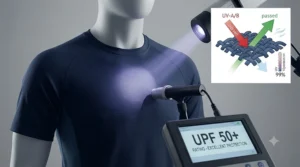
The standout feature here is the 65/35 polycotton pique construction, which strikes a deliberate balance: enough polyester content to wick moisture and dry quickly, enough cotton to avoid the slightly synthetic, clingy feel that pure polyester polos can have against the skin on a hot day. Built-in UPF 40+ rating blocks the majority of UV exposure, which matters enormously for anyone doing roofing, groundwork or any trade with sustained direct sun.
Based on the spec comparison with rivals in this bracket, what most buyers overlook is the twin-stitched seams, which genuinely extend the garment’s working life against the kind of abrasion a tool belt or ladder rung causes daily. Reviewers consistently report that this polo holds its shape and colour through repeated industrial washing far better than supermarket-bought alternatives, with the main recurring criticism being that the polycotton blend, while comfortable, doesn’t wick quite as aggressively as the pure synthetic options further down this list — a fair trade-off for the more natural feel against skin.
Pros: genuine UPF 40+ sun protection; durable twin-stitched construction; comfortable polycotton hand-feel. Cons: wicking performance trails pure-polyester rivals; runs slightly long in the body.
Priced in the £12-£18 range at the time of research, this sits as the sensible all-rounder for tradesmen who want one shirt that does most jobs reasonably well — check current price and availability before you commit.

2. Regatta Professional Contrast Coolweave Wicking Polo Shirt
Regatta’s entry leans hard into the “coolweave” branding, and on the spec sheet that translates to a lightweight 130gsm polyester pique with genuine side vents — a detail that sounds minor until you’re three hours into a hot shift and realise how much difference airflow at the hip makes compared with a sealed-side polo. The contrast collar and three-button placket give it a smarter look than most pure workwear polos, which is exactly why it’s positioned as the “site to client meeting” option.
What the spec sheet won’t tell you, but UK reviewers note repeatedly, is how genuinely quick the dry time is — several reviewers specifically mention it drying almost as fast as it gets wet, which is the practical test that matters more than any marketing claim. One recurring criticism worth flagging honestly: a handful of buyers report static build-up and a slightly clingy feel in particularly humid conditions, a known trade-off of lightweight polyester weaves that the heavier polycotton options above don’t share.
Pros: genuine side-vent airflow; very fast dry time; smarter, dual-purpose appearance. Cons: static and cling reported in high humidity; thinner fabric feels less robust long-term.
Sitting in the £15-£22 range, this is the pick for tradesmen who move between site and client-facing work in the same shift — worth checking current pricing before deciding.
3. Beeswift Cool Lightweight Moisture Absorbing Wicking Polo
Beeswift’s offering is the deliberately stripped-back budget pick: 150gsm polyester with a wicking treatment and anti-perspiring finish, no frills, no branding premium. Here’s what to weigh: at this price point, you’re not getting the stretch panels or technical fabric science of the premium options, but you are getting a genuinely functional wicking polo that costs little enough to buy three or four and rotate through a working week without thinking twice about laundry schedules.
Reviewers consistently praise the value-for-money proposition, with the honest caveat being that the anti-perspiring finish noticeably fades after repeated industrial washes — somewhere around the 20-30 wash mark, several buyers report the wicking performance dropping toward that of a standard polo. For a multi-shirt rotation strategy where you’re replacing kit annually anyway, that’s a reasonable trade-off; for a single shirt you want to last several seasons, it isn’t.
Pros: genuinely low cost per unit; functional wicking for the price; easy multi-pack rotation. Cons: wicking treatment degrades with repeated industrial washing; basic construction.
Typically priced in the £8-£14 range, this is the sensible choice for anyone needing to kit out a multi-person team without blowing the budget — check current pricing on Amazon for the latest pack options.
4. TuffStuff Elite T-Shirt
At 170gsm, the Elite T-Shirt sits in an interesting middle ground: light enough to breathe properly, substantial enough not to feel flimsy after a few washes. There’s no polo collar here — this is a genuine cooling T-shirt rather than a polo, which matters for trades like plastering or labouring where a collar just gets in the way and accumulates dust and debris.
Based on the spec comparison against pricier rivals, what stands out is simply how little this shirt tries to be — no UPF claims, no technical fabric naming, just a lightweight, breathable single-layer tee that does the basic job of not trapping heat against the body. Reviewers consistently flag this as the shirt they buy in bulk for general labouring work where a smarter polo would be wasted, precisely because it’s cheap enough not to mourn when it inevitably gets paint, plaster or grout on it.
Pros: genuinely lightweight and breathable; affordable enough to buy in bulk; no collar to interfere with tool belts or harnesses. Cons: no UV protection claims; basic construction won’t suit client-facing roles.
In the £10-£16 range, this is the workhorse pick for labouring, plastering and similarly messy trades where appearance matters less than comfort and cost.
5. Snickers 2711 AVS Polo Shirt
Snickers’ AVS line is built around active movement, and the spec reflects that: a lightweight knit construction with stretch panels positioned at the shoulders and sides, designed specifically for trades where you’re reaching, climbing or crouching repeatedly through a shift. What most buyers overlook with Snickers products generally is the brand’s design philosophy — these garments are developed with input from actual tradesmen rather than retrofitted from generic leisurewear templates, and the AVS polo’s cut reflects that with a genuinely athletic, non-restrictive fit.
Reviewers consistently note the odor-control finish performing well across multi-day wear without a wash, which matters more than most product listings admit for site workers who don’t always have laundry access mid-week. The honest trade-off is price: this sits noticeably above the budget and mid-range options on this list, and a small number of reviewers feel the premium isn’t fully justified for less physically demanding trades where the stretch panels go unused.
Pros: genuine freedom of movement via targeted stretch panels; effective odor control between washes; athletic, modern fit. Cons: premium pricing relative to performance gain for static trades; limited colour range compared with rivals.
In the £25-£35 range, this is the pick for scaffolders, roofers and other physically active trades where range of motion genuinely matters — check current price on Amazon before your next site rotation.
6. Snickers 2724 AllroundWork 37.5® Polo Shirt
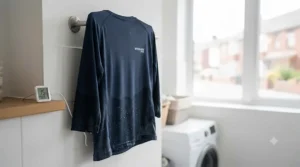
This is the premium pick on this list, built around 37.5 Technology — a fabric science that embeds active particles into the fibre itself, designed to accelerate evaporation by responding to both the infrared energy released by the body and ambient humidity, rather than relying purely on a wicking weave structure to move moisture mechanically. In practice, that means the cooling effect isn’t just about pulling sweat to the surface faster; it’s about actively encouraging it to evaporate sooner, which is a genuinely different mechanism to the wicking polos above.
Here’s the honest analytical take: 37.5 Technology has independent backing as a legitimate textile science rather than marketing fluff, and reviewers across multiple Snickers product lines consistently report a noticeably different, drier feeling compared with standard wicking polyester, particularly in humid conditions where ordinary wicking fabrics start to struggle. What the spec sheet won’t tell you is that this technology works best when paired with genuine sweat output — on milder days or for less physically intensive trades, the difference versus a good standard wicking polo is less dramatic than the price premium might suggest.
Pros: genuinely advanced cooling technology with independent textile science backing; performs well in humidity where standard wicking fabrics struggle; durable AllroundWork construction. Cons: highest price point on this list; the technology’s benefit is less noticeable for lighter, less sweat-intensive work.
In the £30-£40 range, this is the considered investment for tradesmen working full days in genuinely demanding heat — groundworkers, roofers, anyone for whom the 37.5 technology gets a real workout.
7. Portwest S378 Hi-Vis Two-Tone T-Shirt
Included deliberately as the dedicated hi-vis option, this 180gsm polyester two-tone tee combines reflective tape with a contrast colour panel for genuine site visibility rather than retrofitting hi-vis onto a standard cooling shirt design. For roadside work, groundworks near plant machinery, or any low-light site conditions, this isn’t optional kit — it’s a core safety requirement, and treating hi-vis cooling wear as a separate category from general cooling polos is the right call rather than an afterthought.
Based on the spec comparison, what stands out is the breathable polyester base doing double duty: it’s genuinely lighter and cooler than the older mesh-panel hi-vis vests many tradesmen are used to, while still meeting the visibility standards that matter on a live site. Reviewers consistently note that the reflective tape holds up well through repeated industrial washing — a common failure point on cheaper hi-vis garments — though a recurring complaint is that the two-tone colour blocking runs slightly small compared with Portwest’s standard sizing chart.
Pros: genuine hi-vis compliance with breathable cooling fabric; reflective tape that survives industrial washing; doubles as general summer site wear. Cons: sizing runs small versus standard Portwest charts; less breathable than the pure cooling polos on this list.
Typically in the £10-£16 range, this is the essential pick for anyone whose site requires hi-vis as standard — check current price and colour options before ordering for a team.
✨ Don’t Miss These Exclusive Deals!
🔧 Take your summer site kit to the next level with the seven picks above. Tap through to check current pricing and stock availability — these are the shirts that’ll actually get worn through July and August, not left folded in a drawer.
Cooling Polo Shirt Workwear vs Standard Cotton Work Shirts
It’s worth being direct about this comparison, because plenty of tradesmen still default to heavyweight cotton out of habit rather than genuine preference. Cotton absorbs sweat rather than moving it away from the skin, which means it holds moisture against the body — comfortable for the first hour, increasingly heavy and clammy after that.
| Factor | Cooling/Wicking Shirt | Standard Cotton Shirt |
|---|---|---|
| Moisture handling | Pulls sweat to surface, evaporates fast | Absorbs and retains sweat |
| Weight when wet | Stays light | Becomes noticeably heavier |
| Dry time | Minutes to an hour | Several hours |
| UV protection | Often UPF-rated | Minimal, fabric-dependent |
| Durability under abrasion | Generally strong, varies by weave | Strong but heavy |
The dry-time row is arguably the most practically important one: a cooling shirt that gets soaked during a downpour or a particularly sweaty stretch will be noticeably drier within the hour, while a soaked cotton shirt stays clammy for the rest of the shift. For trades genuinely exposed to sustained heat or humidity, the cooling option wins decisively on comfort and productivity; cotton retains an edge mainly on initial softness and lower static, which is why some tradesmen still prefer a polycotton blend like the Portwest B210 over a pure synthetic weave.
Price Range & Value Analysis
| Price Bracket | What You’re Getting | Example Pick |
|---|---|---|
| Under £14 | Basic wicking treatment, single-layer comfort | Beeswift Cool Lightweight Polo |
| £14-£20 | Genuine wicking weave, brand reliability | Portwest B210 / Portwest S378 |
| £20-£30 | Side vents, faster dry time, smarter cut | Regatta Coolweave Polo |
| £30+ | Advanced fabric technology or movement engineering | Snickers 2724 / Snickers 2711 |
Cost-per-wear tells a more useful story than sticker price for tradesmen replacing kit annually. A £10 budget polo that loses its wicking finish after 25 washes and needs replacing twice a season can end up costing roughly the same, or more, than a single £35 Snickers 2724 that holds its performance across a full year of weekly industrial washing. For tradesmen working outdoors daily through a UK summer, the premium fabric technology genuinely earns its keep over a season; for occasional summer site visits, the budget options remain entirely sensible.
Practical Usage Guide: Getting the Most From Your Cooling Work Shirt
Getting genuine value from a cooling work shirt is mostly about washing it correctly, not just buying the right one. Most wicking treatments are surface coatings or weave structures that degrade faster with fabric softener, which coats fibres and blocks the moisture-wicking channels the fabric relies on — skip the softener entirely for technical workwear.
For first use, wash any new wicking polo before wearing it on site; factory finishing residues can slightly reduce wicking performance until the first wash clears them. Air-drying rather than tumble-drying on high heat also extends the life of synthetic wicking treatments noticeably, since repeated high-heat cycles can degrade the fibre treatment over a season faster than line-drying would.
A few habits genuinely extend a cooling shirt’s working life: rotate at least two shirts through any given week rather than wearing one daily, since fabric needs recovery time between washes to fully restore its wicking properties; check reflective tape on hi-vis options for cracking or peeling each season, since this is a safety-critical failure point; and store shirts properly aired rather than balled up in a kit bag, since trapped damp synthetic fabric is a genuine breeding ground for the bacteria that cause persistent odour.
💬 One tap to check current pricing — sort your summer site kit before the next heatwave hits.
Real-World Scenarios: Matching the Shirt to the Trade
Picture an electrician working between a loft conversion in the morning and a client-facing rewire consultation in the afternoon, same shirt needed for both. For this person, the Regatta Coolweave Polo’s smarter contrast collar and quick dry time cover both halves of the day without a kit change.
Now picture a groundworker on a road-widening scheme through July, full sun, eight-hour shifts, hi-vis mandatory by site rules. Here, the Portwest S378 Hi-Vis Two-Tone T-Shirt isn’t optional — it’s the baseline requirement — and pairing it with the Snickers 2724’s 37.5 technology underneath a hi-vis vest on the hottest days covers both compliance and comfort.
And picture a scaffolder spending the day climbing, reaching and crouching, where restrictive fabric across the shoulders genuinely slows the work down. The Snickers 2711 AVS Polo’s stretch panels solve a problem that a standard cooling polo, however well it wicks, simply doesn’t address — this is tradesmen workwear summer kit chosen for movement first, temperature second.
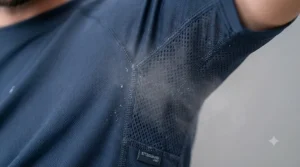
Problem → Solution: Fixing Common Site-Wear Issues
A wicking polo that’s lost its cooling performance after a season usually means fabric softener residue or high-heat tumble drying, both of which coat or degrade the wicking treatment — switching to air-drying and skipping softener typically restores most of the lost performance on the remaining lifespan of the garment.
Chafing under a tool belt or harness is largely a fabric-weight issue rather than a fit issue; lighter, smoother weaves like the Snickers 2711 or Regatta Coolweave reduce friction noticeably compared with heavier polycotton blends in high-contact zones.
A hi-vis shirt that’s lost reflective brightness faster than expected is almost always down to washing at too high a temperature or using bleach, both of which damage the reflective tape’s adhesive backing; checking the care label and washing on a cooler cycle preserves visibility performance considerably longer.
Persistent odour despite regular washing usually traces back to incomplete drying between wears — synthetic fibres that stay even slightly damp inside a kit bag overnight allow bacteria to build up faster than the wash cycle removes them, which is why air-drying fully before storage matters as much as the wash itself.
Finally, a shirt that feels cool when you put it on but hot by mid-morning often comes down to fabric weight mismatch for the trade — heavier 180gsm polos suit lower-intensity work, while genuinely demanding physical trades benefit more from the lighter 130-150gsm weights further down the comparison table above.
How to Choose a Cooling Work Shirt
Choosing the right one comes down to six practical criteria, roughly in order of importance for most tradesmen:
- Fabric weight for your work intensity — lighter weaves (130-150gsm) suit high-output physical trades; mid-weight (170-180gsm) suits general site durability.
- Wicking mechanism — check whether it’s a surface treatment, which degrades over washes, or a structural weave/technology like 37.5, which tends to last longer.
- Hi-vis requirement — confirm your site’s PPE policy before assuming a standard cooling polo is acceptable; many sites mandate reflective wear regardless of temperature.
- UV protection — UPF-rated fabric matters significantly for sustained outdoor exposure, particularly roofing, groundwork and scaffolding.
- Range of movement — stretch panels and athletic cuts genuinely matter for climbing, reaching or crouching trades; less so for largely static work.
- Durability under industrial washing — twin-stitched seams and reinforced collars hold up considerably better than budget construction across a full season.
Sweat-Wicking Fabric Explained: What Actually Cools You Down
Moisture-wicking fabric works through capillary action — tiny channels in the weave or fibre structure that pull liquid sweat away from the skin and spread it across a wider surface area of the outer fabric, where it can evaporate far faster than it would sitting against warm skin. This matters because evaporation is the actual cooling mechanism; a fabric that simply absorbs sweat without spreading and releasing it, like cotton, traps that moisture and the heat with it.
What separates a genuinely effective wicking work shirt from a marketing claim is the speed and consistency of that evaporation under real working conditions, not just a lab test in still, dry air. A 130-150gsm polyester weave like the Regatta or Beeswift polos wicks fast in moderate humidity but can start to lag in genuinely muggy UK conditions, which is precisely the gap that fabric technologies like 37.5, used in the Snickers 2724, are designed to close by actively encouraging evaporation rather than purely relying on mechanical wicking. Reviewers across multiple wicking workwear brands consistently note that the practical difference becomes most obvious on the most humid days of the year — exactly when it matters most.
Durable Cooling Fabric for Site Use: What Survives a Full Season
Durability and cooling performance pull in slightly different directions in fabric engineering, and it’s worth understanding that trade-off honestly rather than assuming the most breathable option automatically wins. Lighter, more open weaves wick faster but generally show wear — pilling, thinning at friction points, seam stress — sooner than heavier, tighter constructions under genuine site abuse from tool belts, harnesses, ladders and rough surfaces.
Based on the spec comparison across this list, the Portwest B210’s polycotton blend and twin-stitched seams represent the durability-leaning end of the spectrum, while the Regatta’s lighter coolweave sits closer to the breathability-leaning end. What most buyers overlook is that washing practice affects durability as much as the fabric choice itself — high-heat tumble drying and fabric softener degrade synthetic fibres’ structural integrity over time regardless of how robust the original weave was, which is why the practical usage guide above matters as much as the purchase decision.
Common Mistakes When Buying Workwear for Summer
The most frequent mistake is buying purely on price without checking whether the wicking claim is a genuine structural weave or a surface treatment that washes out within a season — both are marketed identically on budget listings, but only one delivers lasting performance.
Close behind is overlooking hi-vis requirements entirely when ordering a team’s summer kit, only to discover mid-season that half the order doesn’t meet the site’s PPE policy and needs replacing at extra cost.
A third common error is assuming heavier fabric always means more durable and therefore better value — as covered above, heavier weaves do generally last longer under abrasion, but they also breathe less, which can be the wrong trade-off for genuinely high-output summer trades.
Finally, many buyers wash technical wicking workwear exactly like standard cotton shirts, using fabric softener and high heat, then wonder why the cooling performance fades within a few months — a problem entirely avoidable with the washing practices covered earlier in this guide.
Professional Cooling Polo Shirt vs Hi-Vis Cooling Shirt: Which Do You Need?
There’s a meaningful distinction between a professional cooling polo shirt — designed primarily for a smart, client-facing appearance with cooling performance as a secondary benefit — and a dedicated hi-vis cooling shirt, where visibility compliance is the non-negotiable primary function and breathability is engineered around that constraint. Confusing the two categories is a common and entirely avoidable buying mistake.
The Regatta Coolweave and Portwest B210 sit firmly in the professional polo category: smart collars, contrast detailing, suitable for site visits that include client interaction, surveys or supervisory roles where appearance genuinely matters alongside comfort. The Portwest S378, by contrast, is built around hi-vis compliance first, with cooling fabric as the practical bonus that makes meeting that requirement bearable through a hot shift. The practical takeaway: if your role genuinely requires reflective visibility under site PPE policy, that requirement overrides aesthetic preference every time — choose the hi-vis option, and keep a professional polo as a separate piece of kit for the client-facing parts of the job.
Heat Stress, Sun Safety and Regulations Guide
This is the section that genuinely matters most for anyone working outdoors through a UK summer, and it’s worth reading properly. HSE guidance on outdoor working makes clear that employers should ensure the personal protective equipment issued is appropriate for hot conditions, since PPE itself can contribute meaningfully to heat-related risk if it traps heat against the body — which is precisely the gap a properly chosen cooling shirt is designed to close underneath mandatory PPE layers.
Separately, HSE’s heat stress guidance notes that someone wearing protective clothing and doing heavy work in hot and humid conditions can be at meaningful risk of heat stress, with work clothing specifically identified as a factor that may prevent normal sweating and temperature regulation. This is exactly why fabric choice underneath PPE isn’t a comfort nicety — it’s a genuine risk-reduction measure that costs very little relative to the protection it offers. If you or a colleague start experiencing the early signs of heat exhaustion on site — headache, dizziness, excessive sweating, cramping — NHS guidance recommends moving to a cool place, removing unnecessary clothing and rehydrating immediately, treating it as a medical emergency if symptoms don’t improve within 30 minutes.

FAQ
❓ What is the best cooling work shirt for tradesmen in 2026?
❓ Does a cooling polo shirt workwear option actually keep you cooler than cotton?
❓ How often should I replace a sweat wicking work shirt outdoor garment?
❓ Is a hi-vis cooling shirt required for tradesmen workwear summer kit?
❓ What makes durable cooling fabric for site use different from regular activewear fabric?
Conclusion
There’s no single best cooling work shirt for every trade — there’s a best one for your specific work intensity, site requirements and budget, and hopefully this guide has narrowed that down considerably. If your day involves sustained heavy sweating in genuine summer heat, the Snickers 2724’s 37.5 technology earns its premium price. For general all-round site wear that balances cost and durability, the Portwest B210 remains a dependable default, and if hi-vis compliance is non-negotiable on your site, the Portwest S378 covers that requirement without sacrificing breathability.
Whichever you choose, the core principles hold steady: match fabric weight to your actual work intensity rather than chasing the lightest option blindly, check your site’s hi-vis requirements before assuming a standard polo will do, and wash technical fabric properly to protect the wicking performance you paid for. Get those right, and a cooling work shirt stops being an afterthought and becomes the piece of kit that genuinely gets you through August.
✨ Ready to Sort Your Summer Site Kit?
🔧 Browse the seven picks above, check today’s price on Amazon, and get your cooling work shirts ordered before the next heatwave — your future self, sweating through a heavyweight cotton tee, will thank you.
Recommended for You
- Best Short Sleeve Cooling Shirts for Men UK 2026 – 7 Expert Picks
- Best Long Sleeve Cooling Shirts Men UK 2026: 7 UPF 50+ Picks That Actually Work
- Best Cooling Vest for Construction Workers UK 2026: 7 Top Picks
Disclaimer: This article contains affiliate links. As an Amazon Associate, I earn from qualifying purchases. If you purchase products through these links, we may earn a small commission at no additional cost to you.
✨ Found this helpful? Share it with your friends! 💬🤗
