
In This Article
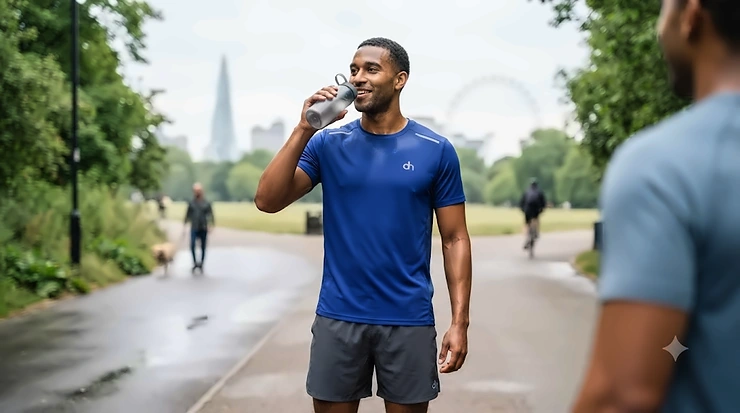
There’s a specific moment, usually somewhere around the third kilometre of a summer run, when a cotton t-shirt stops being clothing and starts being a soggy, clinging liability. A proper sports cooling shirt exists precisely to prevent that moment: engineered fabrics pull sweat away from the skin, spread it across a wider surface for faster evaporation, and in some cases actively lower the fabric’s temperature as you sweat into it. The difference between a genuine performance fabric and a basic gym tee isn’t marketing fluff — it’s measurable, and it shows up in how you feel at minute forty rather than minute five.
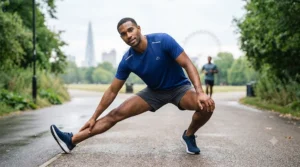
Heat management matters more than most people realise during exercise. There’s a real, practical safety dimension here too, since NHS guidance on heat exhaustion and heatstroke notes that heat exhaustion and heatstroke can happen when you’re exposed to high temperatures, for example if you exercise in hot places, and everyone is at risk during hot weather. A shirt that actually helps your body’s natural cooling process do its job is doing more than keeping you comfortable — it’s a small but genuine piece of exercising safely in the heat. Below, we’ve researched seven real products sold on amazon.co.uk, weighed their genuine strengths and weaknesses, and built a framework to help you choose between them, whether you want a cooling running shirt men actually reach for on hot mornings, the best cooling shirt football training sessions can survive, or something offering genuine compression fit cooling shirt support for the gym.
What Is a Sports Cooling Shirt?
A sports cooling shirt is an athletic top made from technical fabric engineered to wick sweat away from the skin, accelerate evaporation, and in some cases actively lower the fabric’s surface temperature on contact with moisture. Unlike cotton, which absorbs and holds sweat, these fabrics are designed to keep the wearer drier and measurably cooler during exercise.
Quick Comparison Table
| Product | Best For | Price Range | Key Feature |
|---|---|---|---|
| Nike Dry Solid Swoosh T-Shirt | General training | £18–£25 | Dri-FIT moisture-wicking blend |
| adidas Own the Run T-Shirt | Running in hot weather | £20–£28 | AEROREADY, reflective details |
| Puma dryCELL Football Shirt | Football training | £18–£25 | dryCELL moisture management |
| Under Armour HeatGear Compression | Gym and strength work | £22–£30 | Compression fit, mesh ventilation |
| TCA Pro Performance Compression | Budget compression | £15–£22 | UK brand, 3D AirMesh panels |
| Amazon Essentials Tech Stretch Tee | Budget everyday training | £10–£16 | Honeycomb knit, 4-way stretch |
| Columbia Zero Rules Short Sleeve | Premium cooling tech | £30–£40 | Omni-Freeze Zero sweat-activated cooling |
Looking at the table, there’s a genuine spread between general-purpose moisture-wicking shirts, dedicated compression tops, and the small category of shirts using actively cooling (rather than just wicking) technology. If you’re training casually a few times a week, the mid-range moisture-wicking options cover most needs; if you’re chasing measurable performance gains or training in genuinely hot conditions, the compression and active-cooling options earn their higher price through more specific engineering.
💬 Just one click — help other athletes find the right shirt too! 😊
Top 7 Sports Cooling Shirts: Expert Analysis
1. Nike Dry Solid Swoosh T-Shirt — dependable everyday moisture-wicking
Nike’s entry-level training shirt blends soft cotton with durable, quick-dry polyester, and the Dri-FIT technology wicks moisture away and keeps the skin dry and comfortable. It’s built as a modern training shirt suited to running and general workouts rather than a dedicated racing top.
What most buyers overlook about a cotton-polyester blend like this is that the cotton content, while adding softness, does mean it wicks slightly less aggressively than a 100% synthetic performance fabric. Based on the spec comparison with fully synthetic options further down this list, that trade-off suits gym sessions and casual training better than genuinely hot, high-intensity racing, where a pure wicking fabric pulls ahead. Aggregated review sentiment is mixed on the “Dri-FIT” label specifically, with some reviewers noting it feels closer to a standard cotton tee than a dedicated technical fabric, so it’s worth treating this as a comfortable all-rounder rather than a specialist performance piece.
Pros:
✅ Soft, comfortable cotton-blend hand feel
✅ Recognisable, widely available sizing
✅ Suits both training and casual everyday wear
Cons:
❌ Less aggressive wicking than fully synthetic rivals
❌ Some reviewers find it heavier than expected for “Dri-FIT”
In the £18–£25 range, it’s a sensible mid-range pick for anyone who wants a reliable brand name without committing to a specialist technical fabric.

2. adidas Own the Run T-Shirt — built specifically for hot-weather runners
As you push through mile after mile, adidas’s AEROREADY technology wicks away moisture to keep you dry and focused on your goals, and the shirt is made with at least 70% recycled materials. Reflective details are included for early morning or late evening runs when visibility matters as much as temperature.
Here’s what most runners don’t consider until they’ve bought the wrong summer shirt: reflective detailing genuinely matters if hot weather pushes your runs to dawn or dusk to avoid the worst of the heat, which is exactly when low-light visibility becomes a safety issue. Based on the spec comparison with heavier training shirts, the regular fit and short sleeves are specifically designed for flexibility during runs rather than the fitted look of a compression top, so it suits runners who prefer a slightly looser cut. Reviewers consistently praise the moisture-wicking performance for genuine long-distance use, and the composition of at least 86% recycled polyester adds a sustainability angle some buyers specifically look for.
Pros:
✅ AEROREADY technology built specifically for running
✅ Reflective details support early or late hot-weather runs
✅ Made with a high proportion of recycled materials
Cons:
❌ Regular fit less structured than compression alternatives
❌ Limited colour range compared with some rivals
At around £20–£28, it’s a strong mid-range choice specifically for anyone whose main use case is a genuine running shirt hot weather sessions.
3. Puma dryCELL Football Training Shirt — best cooling shirt football training sessions
Puma’s dryCELL technology is designed to keep players dry and cool during training, lifting moisture off the surface of the skin to increase the speed of evaporation, with a meshed reverse panel to promote airflow while on the move. It’s built specifically around the demands of football training rather than general gym use.
What most footballers overlook about training-specific shirts is the meshed back panel design, which matters more in football than most other sports because of the stop-start sprinting pattern that generates intense, localised heat build-up across the shoulders and upper back during a session. Based on the spec comparison with general running shirts, the regular fit here is cut looser through the torso to accommodate the twisting, turning movement patterns football demands, rather than the closer fit that suits straight-line running. Aggregated review sentiment is positive on breathability specifically, with the mesh panel frequently singled out as the standout practical feature.
Pros:
✅ Mesh back panel targets football-specific heat build-up
✅ Looser cut suits twisting, turning movement patterns
✅ dryCELL technology proven across Puma’s wider training range
Cons:
❌ Looser fit less flattering for those who prefer a fitted look
❌ Limited to training-specific colourways rather than matchday kit
Priced around £18–£25, it’s a solid mid-range pick and arguably the most sport-specific option on this list for anyone asking what genuinely works best for football training in the heat.
4. Under Armour HeatGear Armour Compression Short Sleeve — genuine compression fit cooling shirt
Under Armour’s HeatGear Armour is the brand’s original performance baselayer, wicking sweat and stretching so you can move no matter what, with mesh underarm and back panels for strategic ventilation and anti-odour technology that prevents the growth of odour-causing microbes. The compression fit gives an ultra-tight, second-skin feel.
Here’s what most buyers overlook about compression fabric specifically: the tightness isn’t just about aesthetics or muscle support, it also affects how efficiently sweat moves through the fabric, since a closer fit means less fabric bunching that can trap moisture against the skin. Based on the spec comparison with the looser training shirts above, this compression fit is a genuinely different category of product, suited to strength training, HIIT, or as a base layer under other kit rather than as a standalone casual shirt. Reviewers consistently find the compression top comfortable, noting it doesn’t rub or scratch the skin and stays in place without riding up during movement, though sizing runs notably tight and several buyers recommend going up a size from usual.
Pros:
✅ Genuine compression fit with strategic mesh ventilation
✅ Anti-odour technology for repeated intense use
✅ Ergonomic seam placement reduces chafing
Cons:
❌ Sizing runs tight, often needing one size up
❌ Compression fit won’t suit everyone’s comfort preference
At roughly £22–£30, it’s a premium mid-range pick specifically for anyone wanting genuine compression benefits alongside cooling performance.
5. TCA Pro Performance Compression Base Layer — UK brand budget compression
TCA is a UK compression specialist, born in Hackney, East London, and describes itself as the UK’s number one compression brand. The Pro Performance range fits like a second skin with 4-way stretch compression fabric, and TCA D.R.Y. technology wicks sweat from the skin, allowing it to rapidly evaporate on the fabric surface.
What most buyers overlook about TCA specifically is the 3D AirMesh panelling, which provides targeted ventilation in high-heat zones like the underarms and lower back rather than relying on the whole fabric to manage moisture evenly. Based on the spec comparison with the pricier Under Armour option above, TCA delivers genuinely comparable compression and wicking performance at a noticeably lower price point, which explains the brand’s strong following among UK footballers and gym-goers specifically. Aggregated review sentiment is positive on fit and function as a base layer under football kit, with several reviewers specifically noting it performs well even in warmer conditions despite some listings emphasising thermal use, though sizing again tends to run small.
Pros:
✅ Genuinely competitive compression at a lower price point
✅ 3D AirMesh panels target specific heat zones
✅ UK-based brand with strong football and gym following
Cons:
❌ Sizing runs small, order one size up as standard advice
❌ Colour range more limited than bigger international brands
In the £15–£22 range, it’s arguably the best value compression fit cooling shirt on this list for buyers who don’t want to pay international-brand prices for genuinely comparable performance.

6. Amazon Essentials Active Quick Dry Tech Stretch Tee — genuine budget entry point
This is designed for versatility, supporting activities from low-key stretches to high-intensity sweat sessions, made with quick dry and moisture-wicking finishes and a honeycomb texture knit offering 4-way gentle stretch for more flexibility during wear. Seams are engineered to minimise friction during movement.
Here’s what most first-time buyers of budget performance wear don’t realise: a genuinely competent moisture-wicking shirt doesn’t require premium branding, since the underlying fabric technology — polyester with a wicking finish and stretch weave — is broadly similar across price points, with the difference mostly in branding, marginal fit refinement, and extra features like compression or targeted mesh zones. Based on the spec comparison with the pricier branded options above, this covers the fundamentals of moisture-wicking sports shirt summer training competently without the premium price tag, making it a sensible starting point for anyone who hasn’t yet worked out how much they value the extra features that pricier options add.
Pros:
✅ Genuinely competent basic moisture-wicking performance
✅ 4-way stretch honeycomb knit for flexibility
✅ Low price makes it easy to buy multiples
Cons:
❌ Lacks targeted ventilation zones of pricier rivals
❌ Fewer colour and style options than established sports brands
At around £10–£16, it’s the clear budget pick on this list and a sensible way to try performance fabric before investing in a specialist brand.
7. Columbia Zero Rules Short Sleeve Shirt — genuine athletic performance cooling technology
This is where the category shifts from wicking to actual active cooling. The shirt stays cool thanks to Omni-Freeze Zero sweat-activated cooling technology, combined with Omni-Wick technology and expertly placed ventilation slits for breathability and fast drying, plus UPF 30 sun protection and an antimicrobial treatment.
What most buyers overlook about “cooling technology” claims generally is that most competing products only wick moisture away — they don’t actually lower the fabric’s temperature. Omni-Freeze Zero genuinely does the latter: small blue rings embedded in the fabric create an instant, prolonged cooling sensation when exposed to sweat or moisture, a mechanism verified through thermal imaging showing the treated zones registering measurably colder than surrounding fabric. Based on the spec comparison with the wicking-only shirts above, this is a genuinely different technology tier, and it shows in the price. Reviewers report mixed feedback on fit, with several noting the body length runs shorter than expected, but consistently praise the lightweight feel and genuinely fast drying time.
Pros:
✅ Genuine active cooling technology, not just wicking
✅ UPF 30 sun protection built into the fabric
✅ Antimicrobial treatment helps manage odour over repeated wears
Cons:
❌ Noticeably pricier than the wicking-only alternatives
❌ Body length runs short according to several reviewers
Expect to pay in the £30–£40 range, which is a genuine premium, but the active cooling mechanism is a real point of difference rather than marketing language.
Practical Usage Guide: Getting the Most from Your Sports Cooling Shirt
New shirt, first few wears: wash before first use to remove any manufacturing residue, and check the specific care label rather than assuming all technical fabrics wash the same way, since compression and cooling-technology garments often specify cooler wash temperatures than a standard cotton tee to protect the fabric’s performance coatings. Once in regular rotation, avoid fabric softener on performance fabrics specifically, since softeners coat synthetic fibres and can reduce their moisture-wicking effectiveness over time.
For the first month of ownership, the most common mistake is over-drying on high heat, which can degrade the elastane content in compression and stretch fabrics and shorten the garment’s useful life considerably. Air dry or tumble dry on a low setting where possible, and rotate between at least two shirts if you’re training multiple times a week, since giving each garment a full day to air out between wears helps prevent the fabric from developing the persistent odour that repeated damp storage tends to cause.
Real-World Scenarios: Which Sports Cooling Shirt Suits Your Sport?
If you’re a road runner who trains most mornings regardless of weather, the adidas Own the Run’s AEROREADY technology and reflective detailing genuinely earn their place for both hot-weather comfort and low-light safety on dawn sessions. If you’re training for football two or three evenings a week, the Puma dryCELL’s mesh back panel and looser athletic cut handle the stop-start sprinting pattern better than a straight-line running shirt would. And if you’re lifting weights or doing HIIT sessions where genuine compression support matters alongside cooling, either the Under Armour HeatGear or the more budget-friendly TCA option deliver that combination properly.
A fourth scenario worth flagging: anyone training through a genuine UK heatwave or exercising in consistently hot conditions, where the Columbia Zero Rules’ active cooling technology offers a real, measurable advantage over wicking-only fabric — worth the premium if you’re regularly pushing through serious heat rather than just avoiding a slightly damp shirt.

How to Choose a Sports Cooling Shirt
- Identify your primary sport first. Running favours a closer fit and reflective detailing; football and team sports favour a looser cut with targeted mesh zones.
- Decide whether you need compression or standard fit. Compression suits strength training and recovery; standard fit suits most cardio and general training.
- Check whether the fabric wicks only, or actively cools. Most shirts wick moisture; only a small category, like Omni-Freeze Zero, genuinely lowers fabric temperature.
- Look at ventilation zone placement, not just overall breathability. Underarm and back mesh panels matter more than a generically “breathable” fabric claim.
- Factor in UPF sun protection if you train outdoors regularly. Not all performance shirts include it, and it’s a meaningful extra for long outdoor sessions.
- Consider odour-control treatments for frequency of use. Anti-microbial or anti-odour finishes matter more the more often you train in the same rotation of shirts.
- Don’t ignore sizing guidance in reviews. Compression shirts in particular run tight across nearly every brand, and going up a size is common advice.
Sports Cooling Shirt vs Traditional Cotton Sportswear
| Fabric Type | Moisture Handling | Dry Time | Weight When Wet | Best For |
|---|---|---|---|---|
| Technical wicking synthetic | Pulls moisture away, spreads for evaporation | Fast | Stays relatively light | Most general training |
| Active cooling technology | Wicks and lowers fabric temperature | Fast | Light | Hot weather, high-intensity heat |
| Compression synthetic blend | Wicks with close-fit efficiency | Fast | Light | Strength training, recovery |
| Cotton or cotton-blend | Absorbs and holds moisture | Slow | Notably heavier | Casual, low-intensity wear |
The comparison makes the practical case for technical fabric fairly stark: cotton absorbs sweat rather than moving it away, which means it gets progressively heavier and colder against the skin as a session goes on — precisely the opposite of what you want during exercise. Even the most basic wicking synthetic outperforms cotton meaningfully on this measure, and the active-cooling category goes a genuine step further by using the moisture itself to lower fabric temperature rather than just managing it. For most people training regularly, moving away from cotton entirely for exercise specifically is one of the simplest upgrades available.
Cooling Running Shirt Men: What Actually Matters on the Road
A genuine cooling running shirt men reach for repeatedly tends to share a few specific traits beyond basic moisture-wicking: a close-but-not-restrictive fit that doesn’t bunch or chafe over long distances, strategically placed mesh panels rather than uniform breathable fabric everywhere, and increasingly, reflective detailing for the early or late sessions that hot-weather training often pushes runners toward. The adidas Own the Run and Nike Dri-FIT options reviewed above both target this specific use case, though the adidas edges ahead on reflective detailing specifically designed around low-light running. If distance running in heat is your primary use case, prioritise fit and ventilation placement over raw brand recognition.
Best Cooling Shirt Football Training: Pitch-Specific Considerations
Football training generates a genuinely different heat and movement pattern compared with steady-state running, with repeated sprinting, direction changes, and periods of standing that create uneven heat build-up across the body. The best cooling shirt football training sessions can survive tends to prioritise a looser, more forgiving cut with mesh concentrated across the back and underarms, exactly the approach Puma’s dryCELL training range takes. TCA’s compression base layers, reviewed above, also see genuine use in football specifically, worn as a base layer beneath a looser training shirt or matchday kit rather than as a standalone top, which is worth considering if you want both compression support and cooling performance layered together.
Moisture Wicking Sports Shirt Summer & Running Shirt Hot Weather
A moisture wicking sports shirt summer training genuinely benefits from goes beyond just the fabric technology — colour and cut matter too, since darker fabrics absorb more heat from direct sunlight even with excellent wicking performance underneath. For a genuine running shirt hot weather sessions call for, lighter colours paired with a wicking or active-cooling fabric offer the most complete package, reducing both the heat absorbed from the sun and the heat generated by exercise itself. UK Government heat safety guidance specifically recommends dressing sensibly for hot weather activity, which for exercise specifically means prioritising loose, breathable, technical fabric over tight cotton regardless of how stylish the alternative looks.
Compression Fit Cooling Shirt: Support vs Comfort Trade-Offs
A compression fit cooling shirt trades a looser, more casual feel for genuine physiological benefits: the close fit is thought to support muscle positioning during activity and may aid recovery by promoting blood flow, alongside the practical cooling benefit of less fabric bunching to trap moisture. The trade-off, based on the review patterns for both the Under Armour and TCA options above, is that compression fit runs tight almost universally, with sizing up a common and consistent piece of advice across both brands. If you’ve never worn compression sportswear before, trying a size up from your usual measurement is the sensible starting point rather than assuming standard sizing applies.

Athletic Performance Cooling Technology: How the Science Actually Works
Most athletic performance cooling technology claims fall into one of two genuinely different categories, and it’s worth understanding which one you’re buying. The first, and far more common, is moisture-wicking: the fabric structure pulls sweat away from skin and spreads it across a wider surface area, accelerating the natural evaporative cooling process your body already uses. Evaporative cooling itself is a well-understood physical process, where the energy required to evaporate liquid is drawn from the surrounding surface, lowering its temperature. The second, rarer category is active cooling, exemplified by the Omni-Freeze Zero technology in the Columbia shirt reviewed above, where the fabric’s chemical structure is specifically engineered to lower its own temperature on contact with moisture, going beyond simply accelerating evaporation. Both approaches genuinely work, but they’re not equivalent, and a shirt marketed as having “cooling technology” is far more likely to fall into the first, cheaper category than the second.
✨ Don’t Miss These Exclusive Deals!
🔍 Take your training kit to the next level with these carefully selected cooling shirts. Click on any highlighted item above to check current pricing and availability. Staying cool properly could be the difference between a session you push through and one you actually enjoy!
Common Mistakes When Buying a Sports Cooling Shirt
The most common mistake is buying based on brand recognition alone without checking fit type, which explains why so many buyers end up disappointed by a compression shirt that feels restrictive when they expected a standard training fit, or vice versa. A close second is assuming “cooling” and “moisture-wicking” mean the same thing, when in practice only a small minority of products genuinely lower fabric temperature rather than simply managing sweat. A third frequent error is ignoring care instructions and using fabric softener or high-heat drying, both of which measurably degrade technical fabric performance over time. Finally, many buyers underestimate how much sizing varies specifically for compression garments, buying their standard size and finding it uncomfortably tight rather than following the near-universal advice to size up.
Sports Cooling Shirts for Different Fitness Levels and Body Types
Beginners easing into regular exercise often do better starting with a standard-fit moisture-wicking shirt like the Nike or Amazon Essentials options reviewed above, since compression garments can feel unfamiliar and restrictive before you’ve built comfort with intense training. More experienced athletes chasing specific performance or recovery benefits are more likely to get genuine value from compression fit, where the physiological support becomes more relevant at higher training intensities and frequencies. Larger or taller body types should pay particular attention to reviewed body length and sizing feedback specifically, since several shirts on this list — including the Columbia Zero Rules — received consistent reviewer feedback about running short in the body, which matters more for taller wearers than the general size chart alone would suggest.
Long-Term Cost & Care
| Shirt Tier | Typical Lifespan | Wash Guidance | Approx. Cost-Per-Year* |
|---|---|---|---|
| Budget wicking tee (£10–£16) | 1–2 years | Machine wash, avoid fabric softener | £6–£12 |
| Mid-range branded shirt (£18–£28) | 2–3 years | Machine wash cool, air dry preferred | £7–£12 |
| Premium compression/cooling tech (£22–£40) | 3–5 years | Machine wash cool, no softener, low-heat dry | £6–£10 |
*Estimated by dividing purchase price by typical replacement lifespan; excludes detergent costs.
The maths generally favours premium options for frequent trainers, since better-constructed compression and cooling-technology fabrics tend to hold their stretch and wicking performance longer under repeated washing than budget alternatives, spreading the higher upfront cost across a genuinely longer usable life. Budget shirts remain sensible for occasional exercisers or as a low-stakes way to test whether technical fabric suits your training style before investing further.
Safety, Sun Protection & Heat Illness Guide
Exercising in hot weather carries genuine risk beyond simple discomfort, and it’s worth taking seriously regardless of fitness level. NHS guidance is clear that heat exhaustion and heatstroke can happen when you’re exposed to high temperatures, for example if you exercise in hot places or spend a lot of time outside in the heat, and everyone is at risk during hot weather, though some groups face higher risk than others. UK Government advice on staying safe in hot weather specifically recommends planning physical activity for cooler parts of the day, such as early morning or evening, and dressing appropriately for the conditions.
Sun exposure during outdoor training deserves equal attention alongside temperature. Cancer Research UK notes that the more skin covered by clothing, the better the protection against UV damage, and that some clothing carries a UPF rating indicating how well it blocks UV rays — a detail worth checking if, like the Columbia shirt reviewed above, your chosen top includes built-in sun protection. Combining a genuinely cooling, moisture-wicking shirt with sensible timing around the hottest part of the day and adequate hydration covers the practical bases for training safely through a UK summer.
Frequently Asked Questions
❓ Do cooling sports shirts actually work?
❓ What's the difference between moisture-wicking and cooling technology?
❓ Should I size up for a compression fit cooling shirt?
❓ Are cooling shirts good for football training specifically?
❓ How do I wash a sports cooling shirt without ruining it?
Recommended for You
- Best Cooling Work Shirt for Tradesmen in 2026: 7 Top Picks
- Best Short Sleeve Cooling Shirts for Men UK 2026 – 7 Expert Picks
- Best Long Sleeve Cooling Shirts Men UK 2026: 7 UPF 50+ Picks That Actually Work
Disclaimer: This article contains affiliate links. As an Amazon Associate, I earn from qualifying purchases. If you purchase products through these links, we may earn a small commission at no additional cost to you.
✨ Found this helpful? Share it with your friends! 💬🤗
